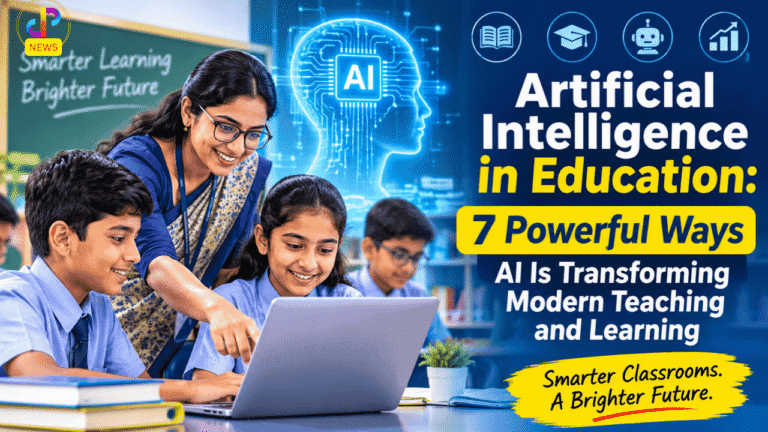
Artificial Intelligence in Education: 7 Powerful Ways AI Is Transforming Modern Teaching and Learning
How Artificial Intelligence Is Transforming Modern Education
Artificial Intelligence in Education is becoming an important part of the modern learning environment. From personalised learning platforms and AI-powered teaching assistants to automated assessments and digital classrooms, artificial intelligence is creating new opportunities for students, teachers and educational institutions.
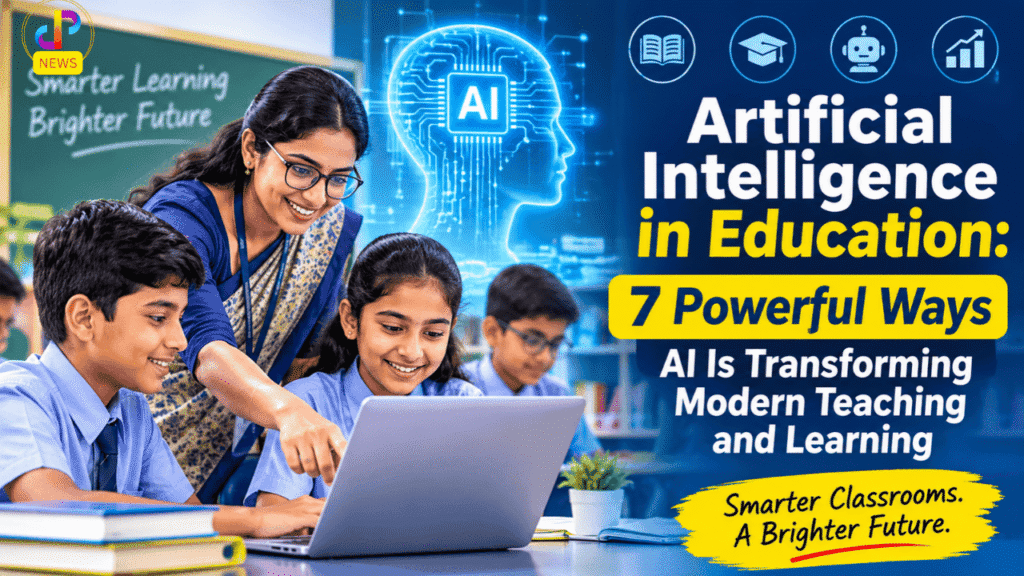
As technology continues to evolve, educators are exploring how AI can make teaching more effective, improve learning experiences and help students develop the skills required in an increasingly digital world.
The integration of artificial intelligence into education is not simply about introducing new software into classrooms. It is about understanding how technology can support teachers, simplify educational activities and create more accessible learning opportunities.
Understanding Artificial Intelligence in Education
Artificial Intelligence in Education refers to the application of AI-powered technologies to support teaching, learning, academic research and educational administration.
These technologies can process information, generate educational content, answer questions and assist students with different academic tasks.
Some important applications include:
Personalised learning: Providing learning resources according to individual student requirements.
Intelligent tutoring: Helping students understand complicated subjects through interactive explanations.
Automated assessments: Supporting teachers with objective assessments and feedback.
Educational content creation: Preparing lesson plans, quizzes, summaries and classroom activities.
Language assistance: Supporting translation, communication and multilingual learning.
Administrative support: Helping educational institutions organise information and repetitive tasks.
These applications demonstrate how artificial intelligence can complement traditional teaching methods when implemented responsibly.
7 Powerful Ways Artificial Intelligence Is Transforming Teaching and Learning
1. Personalised Learning Experiences
Every student has a different learning speed, academic background and understanding of complex subjects.
AI-powered educational platforms can analyse learning activities and recommend suitable educational materials. Students may receive additional explanations, practice questions and resources based on their progress.
2. AI-Powered Teaching Assistance
Teachers spend considerable time preparing lessons, creating assignments and organising classroom activities.
Artificial intelligence can assist with preparing lesson outlines, generating discussion questions, developing practice exercises and simplifying difficult topics.
However, teachers should always review AI-generated information before using it in educational activities.
3. Smarter Educational Content Creation
Artificial intelligence can help educators prepare different types of learning materials, including worksheets, multiple-choice questions, revision notes, presentations and reading comprehension exercises.
This can reduce repetitive preparation work and allow teachers to devote more attention to classroom interaction and student development.
4. Better Language Learning and Accessibility
Language can sometimes become a barrier to education, particularly for students who are more comfortable learning in their regional or native languages.
AI-powered translation, speech recognition and language-processing technologies can help make educational resources more accessible.
For example, students may use suitable AI tools to understand academic concepts through explanations in Bengali, Hindi or other languages.
5. Faster Feedback and Assessment Support
Certain AI-powered systems can assist educators with checking objective answers, identifying common mistakes and organising assessment information.
These capabilities can help teachers understand which topics require additional explanation. However, complex written assignments and creative work still require human judgement.
6. Encouraging Independent Learning and Research
AI assistants can help students understand unfamiliar terminology, explore different explanations, organise research ideas and prepare questions for further investigation.
Students should nevertheless verify AI-generated information and consult reliable educational references rather than accepting every response as accurate.
7. Preparing Students for a Technology-Driven Future
Understanding artificial intelligence, digital communication and responsible technology use is becoming increasingly relevant across professional industries.
Educational institutions can introduce AI awareness through practical activities, discussions and technology-based learning projects.
The objective is to help students understand how AI works, where it can be useful and what limitations they should consider.
How Teachers Can Choose the Right AI Tools for Education
The growing availability of artificial intelligence applications can make it difficult for educators to identify suitable tools.
Teachers should consider the following factors before adopting an AI platform:
Ease of use: The application should have an understandable interface.
Accuracy: Generated information should be checked for reliability.
Data privacy: Teachers should understand how platforms collect and process information.
Educational relevance: The tool should support a specific learning objective.
Accessibility: Cost, device compatibility and availability should be considered.
Selecting appropriate technology requires a balance between technological capabilities and actual classroom requirements.
Challenges and Responsible Use of Artificial Intelligence in Education
Despite its potential benefits, artificial intelligence also introduces challenges that educational institutions must address.
Data Privacy and Student Protection
AI applications may process personal information and learning records. Schools and teachers should examine privacy policies and avoid sharing unnecessary sensitive information with third-party platforms.
Accuracy and Incorrect Information
AI systems can sometimes generate inaccurate or misleading responses. Students should be encouraged to verify information through credible educational sources.
Academic Integrity
AI writing and content-generation applications have raised questions about plagiarism, originality and academic honesty. Educational institutions should establish clear guidelines for responsible AI use.
Overdependence on Technology
Excessive reliance on AI-generated answers may reduce opportunities for independent thinking and problem-solving.
Artificial intelligence should support the learning process rather than replace the intellectual effort required to understand a subject.
Why Teachers Need Practical Knowledge of Artificial Intelligence
Understanding artificial intelligence is becoming an important part of modern teaching.
Educators do not necessarily need advanced programming skills to begin exploring AI applications. However, they should understand how to communicate with AI systems, evaluate generated responses and identify appropriate classroom applications.
Practical AI knowledge can help teachers prepare educational resources, explore new teaching methods, support students and encourage responsible technology use.
For educators interested in developing this understanding, choosing accessible learning resources can be a useful starting point.
Recommended Book for Teachers: Keep It Simple – AI for Teachers by Koushik Deb
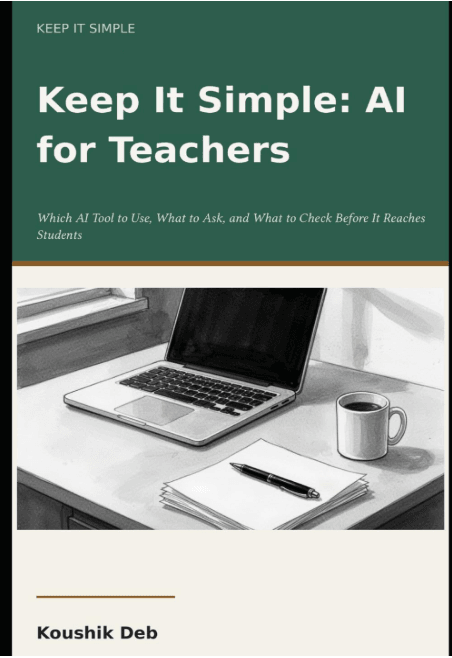
As artificial intelligence continues to influence modern classrooms, teachers need practical resources to understand how these technologies can be used in teaching and learning.
One book worth exploring is Keep It Simple – AI for Teachers, written by Koushik Deb.
The book focuses on the relationship between artificial intelligence and teaching, making it a relevant reading recommendation for educators, teachers and professionals interested in understanding the role of AI in education.
Whether you are exploring AI-powered teaching applications or looking to understand how artificial intelligence fits into modern educational practices, this book offers an opportunity to explore the subject further.
Explore the book and discover the available purchasing options through the official book page.
The Future of Artificial Intelligence in Education
The future of artificial intelligence in education will depend on how effectively teachers, educational institutions and technology developers address both its opportunities and limitations.
Advances in personalised learning, language technologies, intelligent tutoring and educational content development may create new ways to support students.
India’s diverse educational environment also creates opportunities to explore AI-powered learning solutions that support different languages, academic requirements and student communities.
However, successful implementation will require attention to privacy, accuracy, accessibility and academic integrity.
The objective should be to make education more accessible and effective without compromising the importance of human guidance, creativity and critical thinking.
Building a Smarter and More Accessible Education System
Artificial Intelligence in Education is opening new possibilities for teaching, learning and academic development. From personalised learning experiences to educational content creation, AI technologies can support teachers and students in several meaningful ways.
However, successful adoption requires more than access to digital tools. Educators must understand how these systems work, evaluate their limitations and use them responsibly.
As education continues to evolve, the combination of knowledgeable teachers, thoughtful technology adoption and responsible AI practices can contribute to a more accessible and future-ready learning environment.
Digital Preeyam News will continue to explore developments in artificial intelligence, educational technology, academic research and digital learning to help readers understand the technologies shaping modern education.
Social Media Profile:
Frequently Asked Questions (FAQs):
1. What is Artificial Intelligence in Education?
Answer: Artificial Intelligence in Education refers to the use of AI-powered technologies to improve teaching, learning, assessment and educational administration. It helps teachers and students access personalised learning resources, educational assistance and digital learning solutions.
2. How is Artificial Intelligence transforming modern education?
Answer: Artificial intelligence is transforming modern education through personalised learning, AI-powered teaching assistance, automated assessments, educational content creation and language support. These applications can help teachers improve classroom activities and provide students with additional learning opportunities.
3. What are the benefits of Artificial Intelligence in Education for teachers?
Answer: AI can help teachers prepare lesson plans, create quizzes, develop educational materials, explain complex topics and organise classroom activities. It can also reduce repetitive tasks, allowing educators to focus more on student engagement and academic development.
4. What are the challenges of using Artificial Intelligence in Education?
Answer: Some major challenges include student data privacy, inaccurate AI-generated information, academic integrity, excessive dependence on technology and unequal access to digital resources. Responsible implementation and teacher supervision are important for addressing these concerns.
5. Which book can help teachers understand Artificial Intelligence in Education?
Answer: Teachers interested in learning about AI applications in modern classrooms can explore Keep It Simple – AI for Teachers by Koushik Deb. Readers can visit his official Books page or check the book’s availability on Amazon.
Recent Updates: